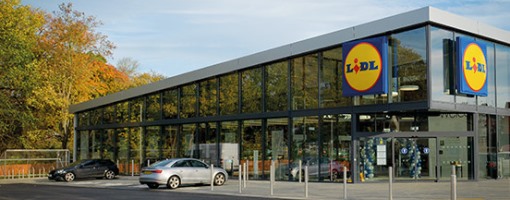
Lidl has beaten Aldi to be named the cheapest supermarket in 2020.
Which? tracked the price of 45 popular branded and own-label products, including Hovis bread, Knorr stock cubes, and free-range eggs, across eight major supermarkets for 100 days between January and December last year.
The consumer choice business calculated the average price for each item over the year and the total average cost of all 45 items.
Lidl was the cheapest at £42.67 on average per basket, with Aldi not far behind at £43.01.
Asda was the third-cheapest supermarket with the same basket of items costing £48.71 on average.
Waitrose was the most expensive supermarket in 2020, with the average cost being £68.69, around 60 per cent more expensive than the shop at Lidl.
The eight major supermarkets in order from cheapest to most expensive:
1. Lidl – £42.67
2. Aldi – £43.01
3. Asda – £48.71
4. Tesco – £53.30
5. Morrisons – £53.61
6. Sainsbury’s – £56.38
7. Ocado – £66.83
8. Waitrose – £68.69
“Many households have been under financial pressure due to the pandemic, so getting value for money on their weekly shop has become more important than ever. Our analysis shows that customers do not have pay over the odds for their groceries,” said Natalie Hitchins, head of home products and services at Which? “Customers looking to save money this new year and cut down on the cost of their weekly shop should consider shopping around for the best prices.”


Latest News
-
Sainsbury’s expands facial recognition rollout to 200 supermarkets
-
France approves fast-fashion crackdown targeting Shein and Temu
-
New Look deploys AI design platform to speed up product development
-
Co-op renews partnership with logistics firm to extend transport operations
-
British American Tobacco to cut 9,000 roles in AI overhaul
-
US Prime Day spending tops $26bn even as average basket spend drops


From CapEx to AI: Understanding the evolving cost structure of retail technology
This Retail Systems webinar, sponsored by Aptos, brings together leading voices from across the retail technology ecosystem to examine how modern PoS has transformed the cost ownership model – and how the emergence of agentic commerce is poised to rewrite the rules once again.
Beyond Channels: Redefining retail with Unified Commerce
This Retail Systems fireside chat with Nikki Baird, Vice President, Strategy & Product at Aptos will explore how unified commerce strategies enable retailers to tear down these barriers and unlock new levels of operational agility and customer satisfaction.




© 2024 Perspective Publishing Privacy & Cookies
Recent Stories